Culinary
Food is medicine
Culinary preparations use herbs as part of everyday food and drink, integrating plants into meals in ways that are both nourishing and familiar. This approach emphasizes flavor, accessibility, and the steady support that comes from working with herbs as part of daily life.
Rather than extracting specific constituents, culinary herbalism focuses on whole-plant use, inviting herbs into the kitchen as allies in nourishment, ritual, and routine.
When to use culinary preparations
Culinary preparations are often chosen when working with plants that:
- Are safe and appropriate for regular consumption
- Complement food through flavor, aroma, or texture
- Offer gentle, cumulative support over time
- Are traditionally used as both food and medicine
This method is especially well-suited for beginners, families, and anyone interested in building an ongoing relationship with plants through cooking.
How culinary preparations differ from other methods
Unlike tinctures, decoctions, or capsules, culinary preparations prioritize enjoyment and nourishment over concentration. Plants are used in amounts that feel natural within meals rather than measured doses.
Because culinary methods rely on everyday ingredients and rhythms, they tend to be less precise but more sustainable for long-term use.
Common culinary methods
Culinary herbal preparations may include:
- Herbal vinegars
- Infused oils for cooking
- Herbal honeys
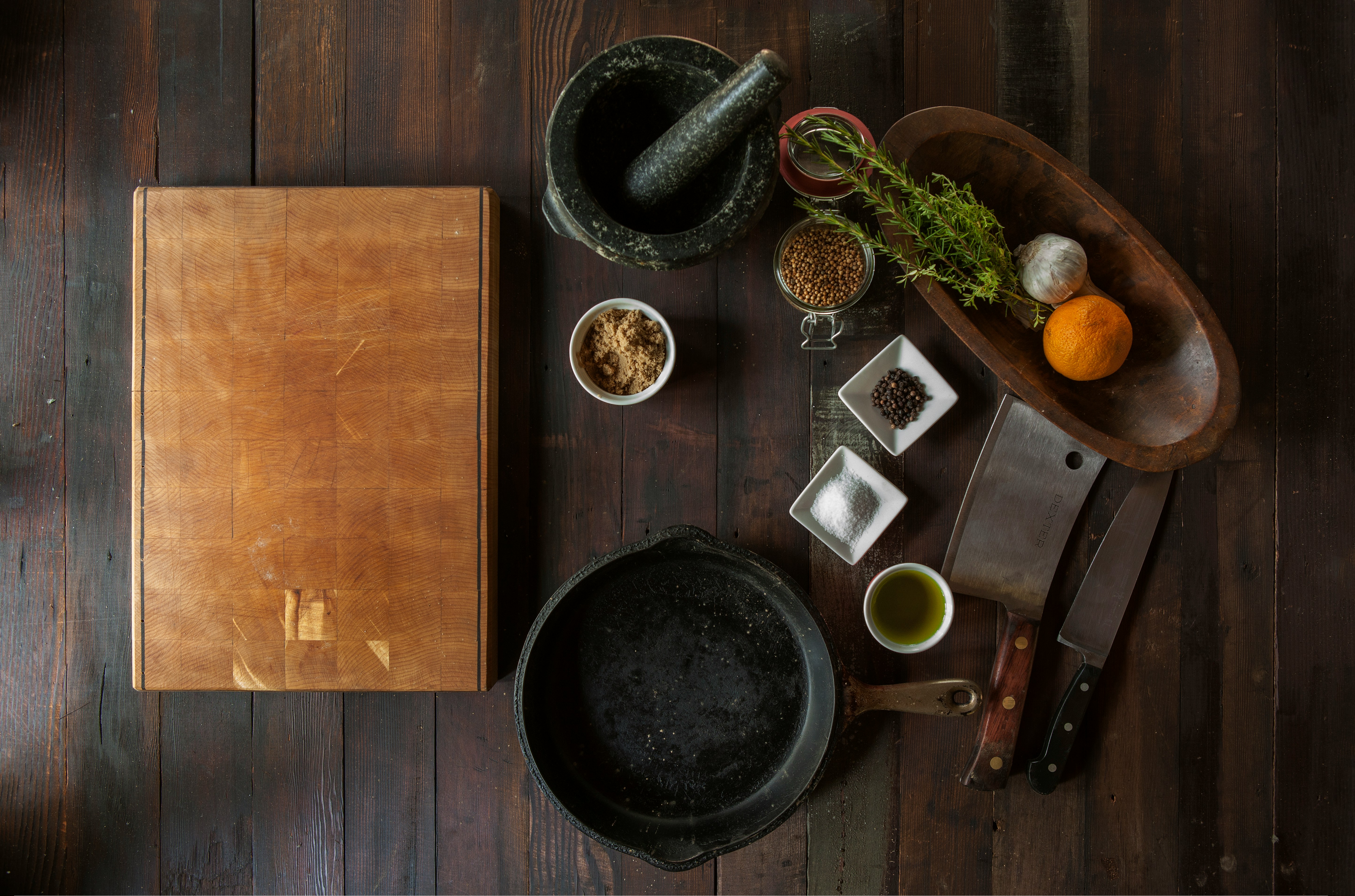
- Seasonings and spice blends
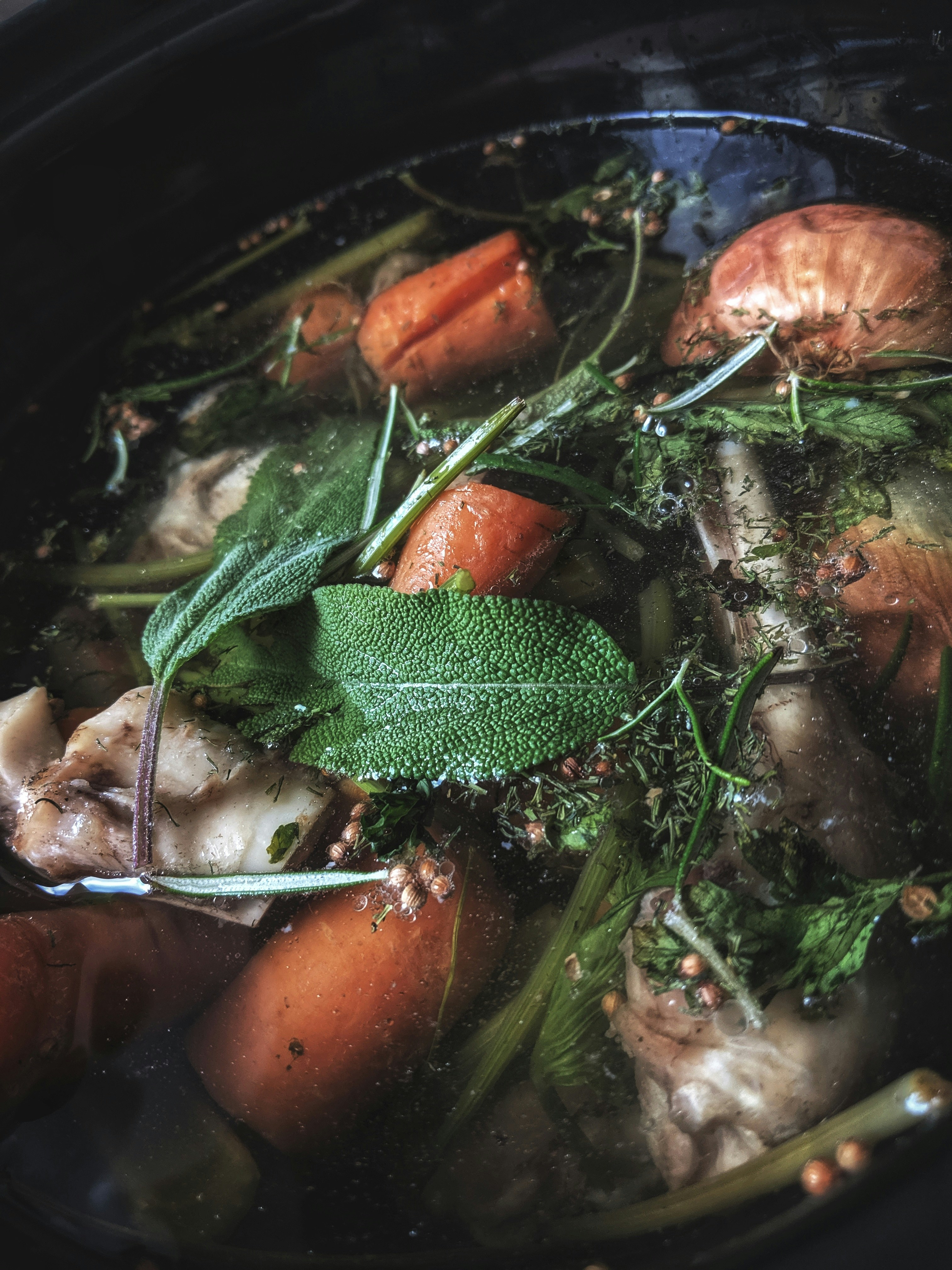
- Soups, broths, and porridges
- Herbal beverages incorporated into meals
These preparations often vary widely depending on tradition, culture, and personal preference.
things to consider
When working with plants culinarily, it’s important to consider:
- Which plants are appropriate for frequent use
- Flavor balance and palatability
- Freshness and food safety
- How preparation methods affect both taste and herbal qualities
Even gentle herbs benefit from thoughtful selection and moderation.
Storage and use
Culinary preparations are stored and used much like other foods. Shelf life varies depending on ingredients, preparation method, and storage conditions.
Clear labeling and mindful preparation help ensure both safety and enjoyment.
Explore culinary recipes
Interested in working with plants in the kitchen?