Decoction
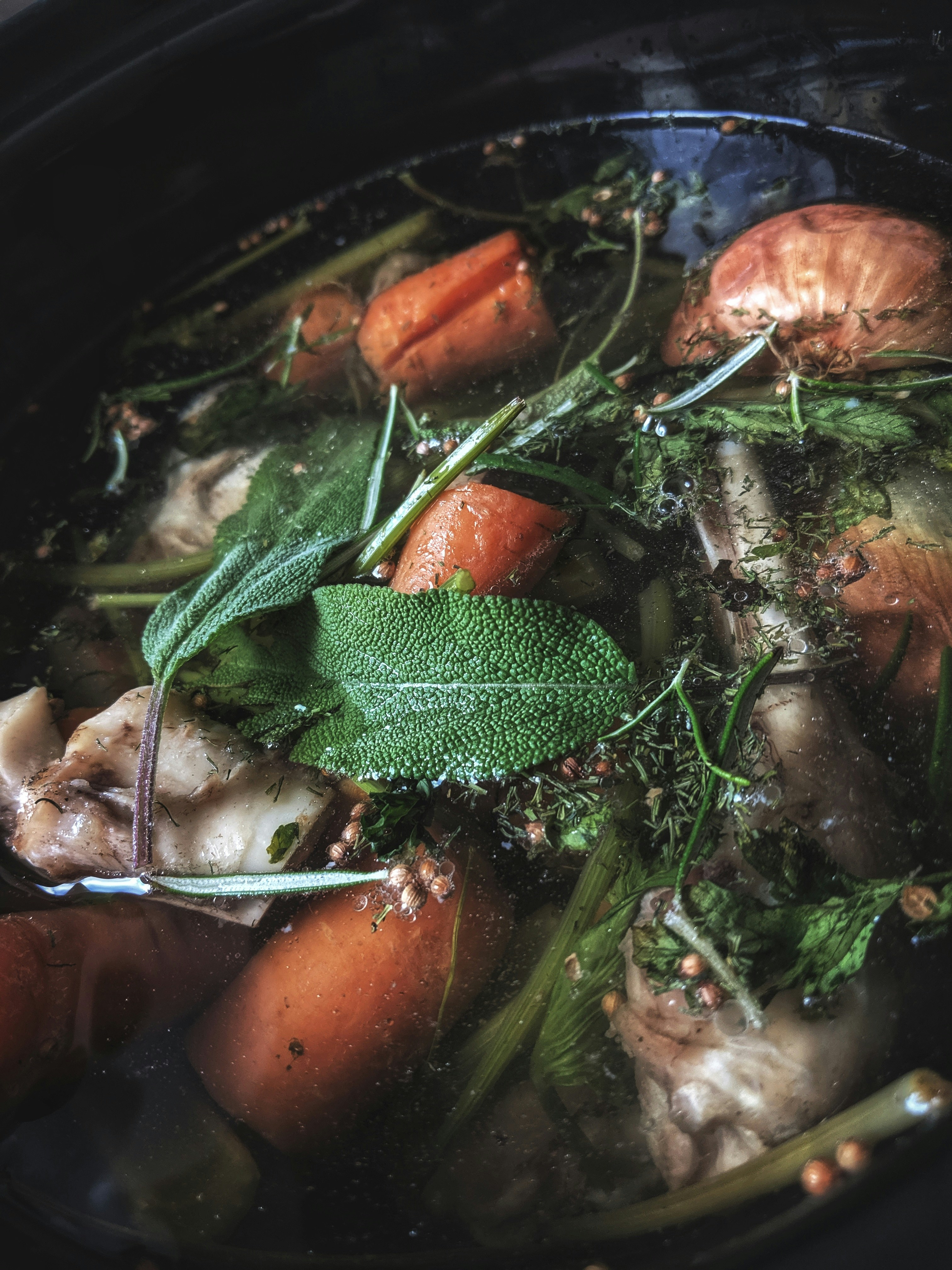
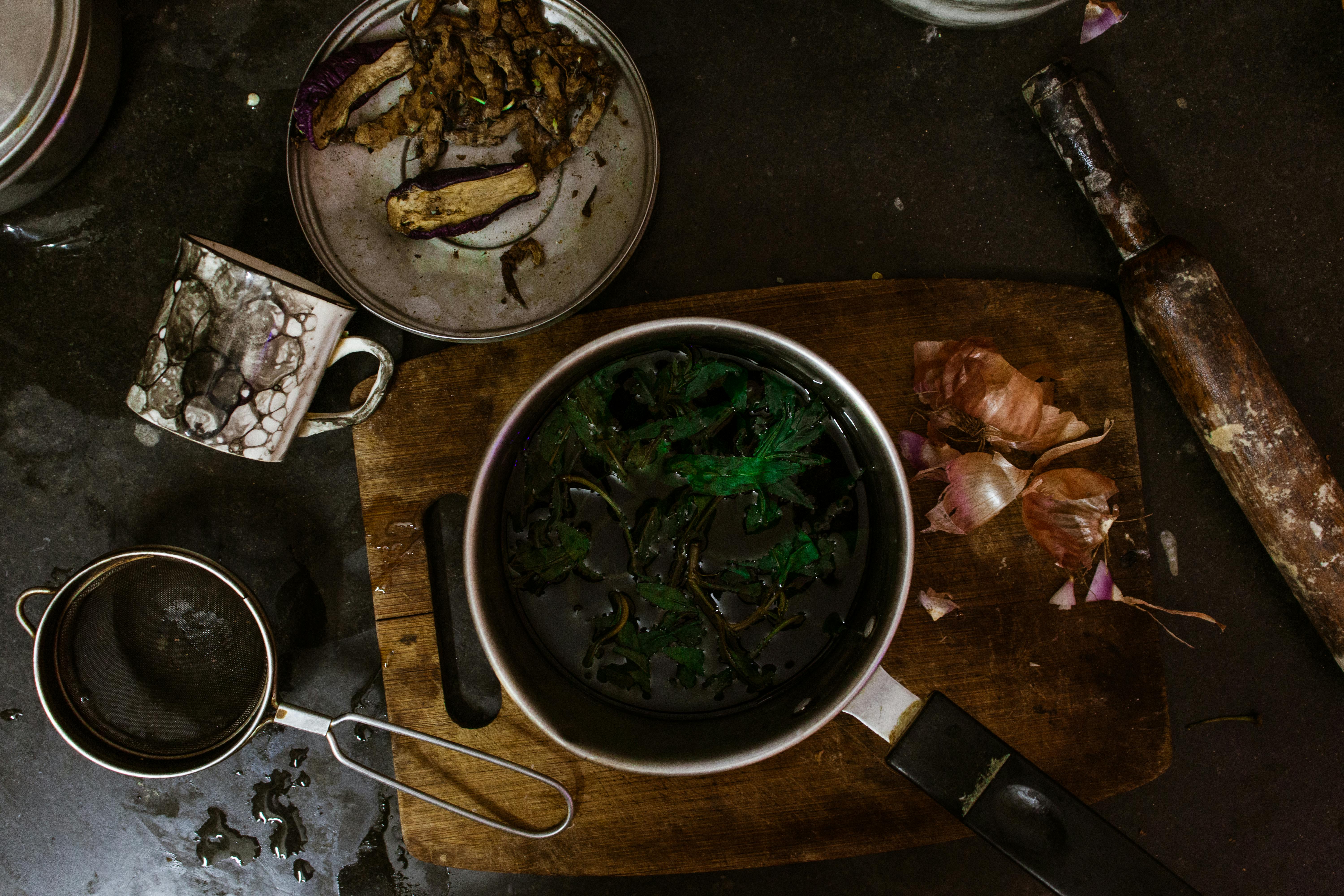
A decoction is a method of preparing herbs by gently simmering them in water over a longer period of time. This process allows tougher plant material to release its constituents more fully than a simple infusion or tea.
Decoctions are most often used for roots, bark, seeds, berries, and other dense or woody plant parts – materials that don’t readily give up their properties through brief steeping alone.
This method is slow by nature. It invites patience, attention, and a willingness to let time and heat do the work.
When to use decoction
Decoctions are especially helpful when working with plants that are:
- Rooted, woody, or fibrous
- Traditionally prepared with heat and time
- Used for deeper, longer-term support
They’re commonly chosen when an infusion feels too light, or when a plant’s traditional use calls for a more substantial extraction.
How decoctions differ from infusions
While both decoctions and infusions use water as their solvent, the key difference is time and heat.
- Infusions are made by pouring hot water over softer plant material and steeping briefly
- Decoctions involve simmering tougher plant parts for an extended period, often 20-45 minutes or more
This sustained heat helps break down dense plant structures, allowing water-soluble constituents to be more fully extracted.
Basic decoction method
A simple decoction follows this general rhythm:
- Combine the dried or fresh plant material with cold water in a pot
- Bring the mixture slowly to a gentle simmer
- Cover and simmer for a set period of time, adjusting heat as needed
- Strain and use once cooled slightly
Exact ratios, timing, and plant preparation vary depending on the herb and intended use.
things to consider
Because decoctions are more concentrate than infusions, they are often:
- Taken in smaller amounts
- Used for defined periods rather than continuously
- Prepared with specific intention rather than casually
Not all plants are well-suited to decoction, and some may lose volatile compounds or become overly strong when simmered. Learning the nature of the plant you’re working with is an essential part of this method.
Storage and use
Decoctions are typically used fresh, though they may be stored briefly in the refrigerator. Some people prepare small batches daily, while other incorporate decoctions into formulas alongside other preparations.
As with all herbal work, freshness, cleanliness, and attention to the plant’s character matter.
Explore decoction recipes
Ready to work with this method in practice?