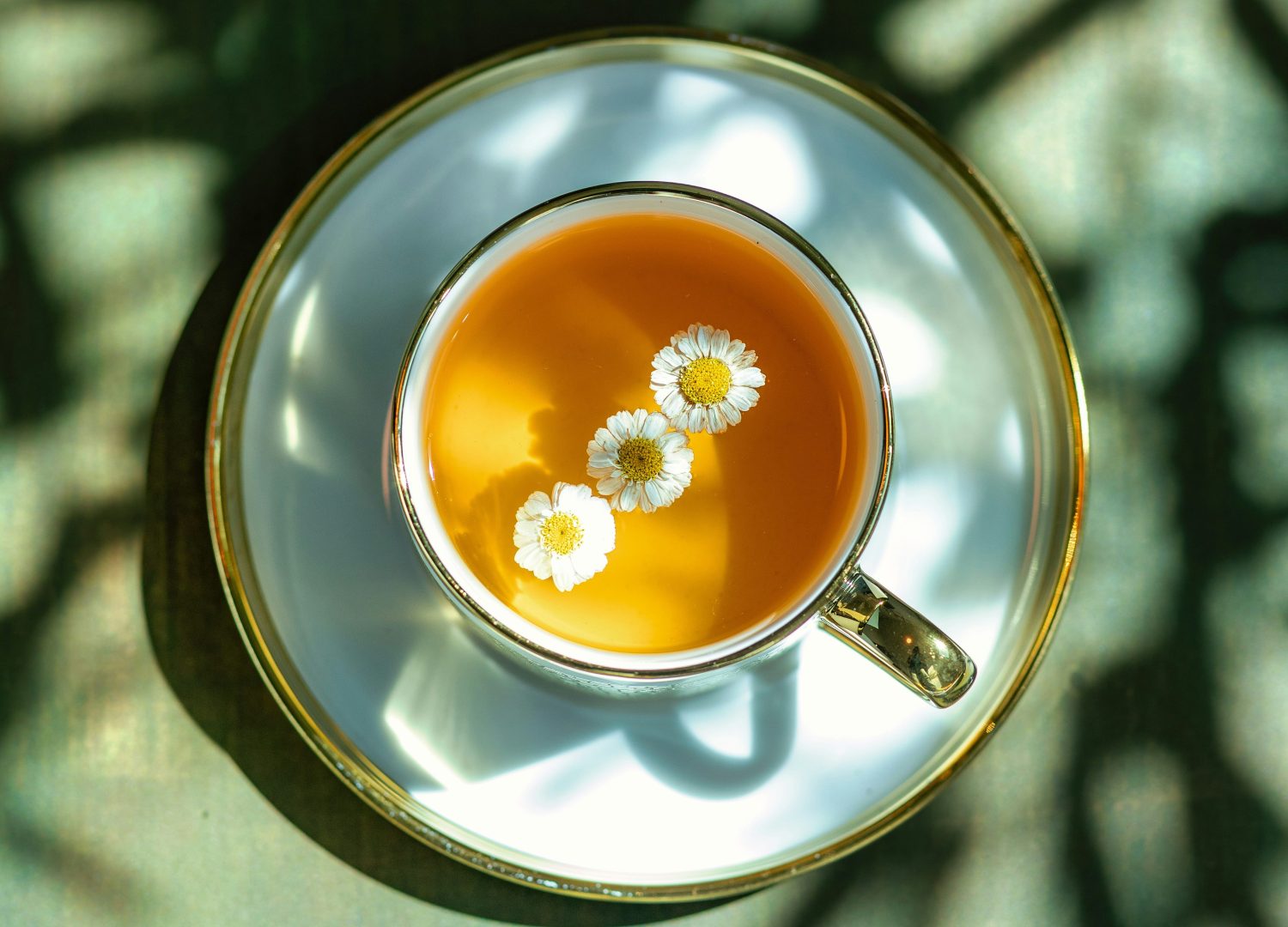
Water Infusion
A water infusion – commonly known as a tea – is one of the simplest and most accessible ways to work with herbs. This method involves steeping plant material in hot or cold water to draw out water-soluble constituents.
Water infusions are often gentle, nourishing, and well-suited for regular use. They’re a foundational practice for building familiarity and trust with a plant.
When to use a water infusion
Water infusions are commonly used when working with plants that:
- Have soft leaves, flowers, or aerial parts
- Are traditionally prepared as teas
- Are intended for daily or frequent use
- Offer nourishment, hydration, or gentle support
This method is especially helpful for those new to herbal preparations or for anyone seeking a low-barrier way to incorporate herbs into everyday life.
How water infusions differ from other preparations
Water infusions rely on hot or cold water rather than alcohol or oils. This limits extraction to water-soluble compounds but also makes the preparation more approachable and flexible.
Unlike tinctures or oils, water infusions are typically prepared fresh and consumed within a short period of time.
Basic water infusion method
A simple water infusion generally follow this rhythm:
- Place the plant material in a cup or jar
- Pour hot or cold water over the herbs
- Cover and steep for an appropriate length of time
- Strain and enjoy
Steeping time, temperature, and plant-to-water ratios vary depending on the herb and desired strength.
Things to consider
Because water infusions are relatively gentle, they may need to be prepared more frequently. Some plants are better suited to long-steep nourishing infusions, while other benefit from shorter steep times.
Learning the preferences of each plant helps guide both preparation and use.
Storage and use
Water infusions are best used fresh. Some may be refrigerated briefly, but most are prepared daily as part of a routine or ritual.
They can be enjoyed warm or cool, alone or blended, depending on personal preference.
Explore water infusion recipes
Interested in starting with teas?

