Tincture
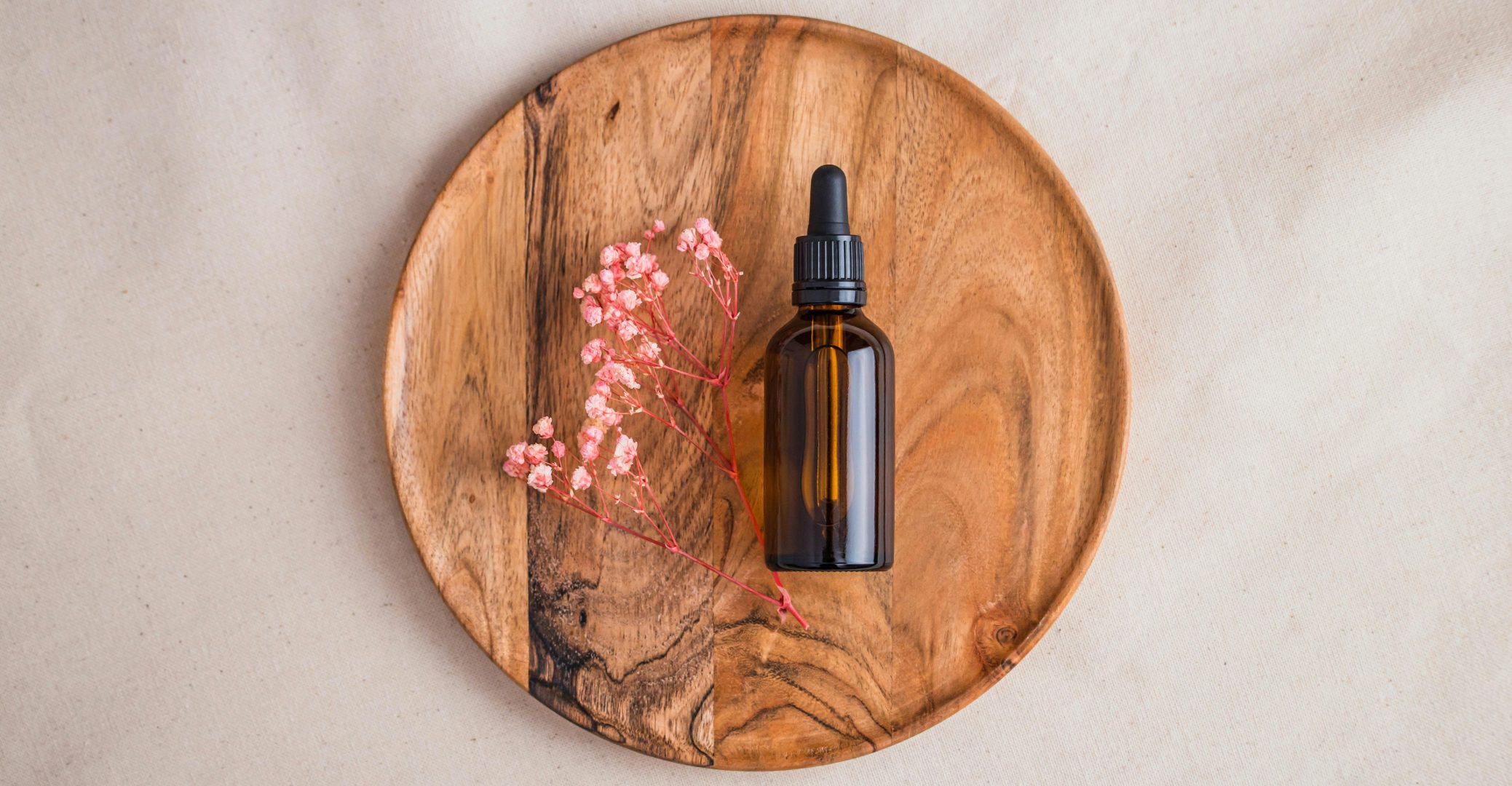
A tincture is a concentrated herbal preparation made by extracting plant material in alcohol or another suitable solvent over time. This method draws out a wide range of plant constituents and preserves them in a stable, shelf-ready form.
Tinctures are valued for their potency, convenience, and longevity. They allow you to work with herbs in small amounts and are often chosen when a preparation needs to be both effective and easy to integrate into daily life.
When to use a tincture
Tinctures are often used when working with plants that:
- Benefit from long-term preservation
- Contain constituents that extract well in alcohol
- Are taken in small, measured doses
- Are used intermittently or over longer periods
Because tinctures are compact and portable, they’re commonly chosen for ongoing routines, travel, or situations where preparing fresh herbs daily isn’t practical.
How tinctures differ from other preparations
Unlike water-based methods such as infusions or decoctions, tinctures rely on alcohol or other solvents to extract both water-soluble, fat-soluble, and alcohol-soluble constituents.
This dual extraction allows tinctures to capture a broader range of plant properties than water alone, while also significantly extending shelf life.
Tinctures are typically taken by dropper, diluted in a small amount of water, tea, or juice, depending on the plant and preparation.
Basic tincture method
A simple tincture follows this general process:
- Prepare the fresh or dried plant material
- Combine the herb with alcohol at an appropriate ratio
- Seal and store the mixture away from direct light
- Shake periodically over several hours or weeks
- Strain and store the finished tincture
Specific ratios, solvents, and timing vary depending on the plant and whether it’s fresh or dried
Things to consider
Because tinctures are concentrated and alcohol-based, it’s important to consider:
- Alcohol content and personal sensitivity
- Appropriate dosage for the plant being used
- Interactions with medications or health conditions
- Whether an alternative solvent (Such as glycerin) is more appropriate
Not every plant is best suited to tincturing, and not every person prefers alcohol based preparations. Choosing the method that fits both the plant and the individual is part of thoughtful herbal practice.
Storage and use
Tinctures are typically stored in tightly sealed glass bottles, away from heat and direct light. When prepared and stored properly, many tinctures remain stable for several years.
Clear labeling – including the plant, date, and solvent used – helps ensure safe and mindful use over time.
Explore tincture recipes
Interested in putting this method into practice?